
1992: The Birth of the Premier League and the Business That Changed Football
FBTG | Football Turning Points | Episode 02
By Kiril Yurukov · · 7 min read
Abstract
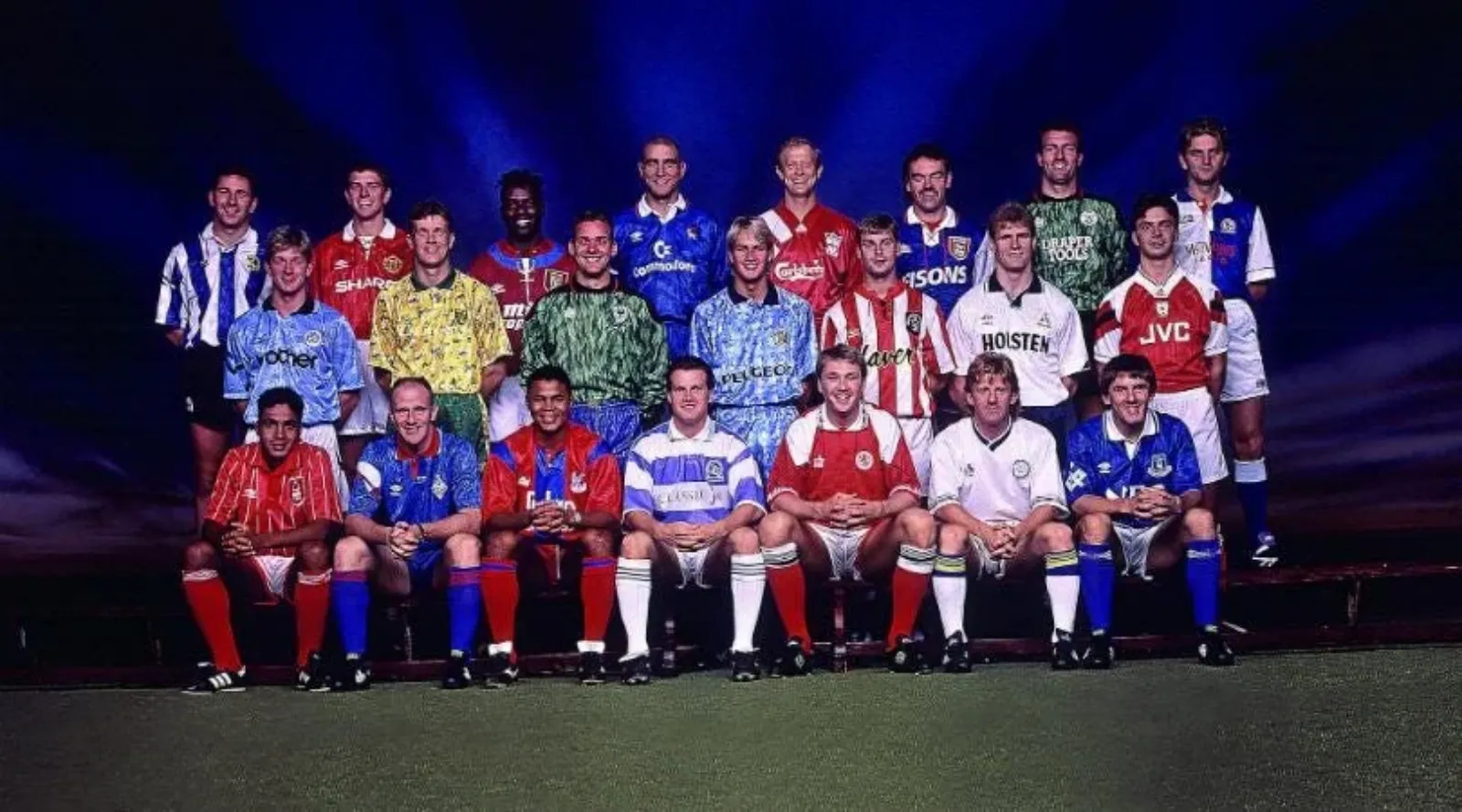
On 15 August 1992, English football entered a new era. Twenty-two clubs began competing in the inaugural Premier League season, launching a competition that would eventually become the most commercially powerful domestic football league in the world.
The football itself was familiar, with many of the same clubs, players and rivalries that had defined the old First Division. What had changed was the business behind it.

For more than a century, England’s top division had operated within the Football League, an organisation founded in 1888 that brought professional clubs together under a shared competition structure. By the late 1980s, however, the country’s biggest clubs had become increasingly dissatisfied with how television revenue and commercial influence were distributed.
They believed their popularity was generating value that the existing system could not fully exploit, and they wanted greater control over the money their matches attracted. The solution was a breakaway that would fundamentally reshape the economics of English football.
English Football Before the Breakaway
The creation of the Premier League cannot be understood without considering the difficult period English football experienced during the 1980s.
Hooliganism, ageing stadium infrastructure and major tragedies had damaged the game’s reputation, while English clubs were banned from European competitions following the 1985 Heysel disaster. The Hillsborough disaster in 1989 exposed catastrophic failures in stadium safety, and the subsequent Taylor Report accelerated the transition towards all-seater grounds.
At the same time, English clubs were watching the commercial potential of football develop elsewhere in Europe, particularly in Italy, where leading teams could attract major international players and increasingly valuable television audiences.
The Football League’s established structure also created tensions between clubs with very different commercial ambitions. Although the First Division already received a disproportionately large share of broadcasting revenue, its leading members believed they could negotiate significantly more valuable contracts independently.
Manchester United, Liverpool, Arsenal, Everton and Tottenham Hotspur, collectively known at the time as the Big Five, were particularly influential in pushing for change.
Their argument was straightforward, if the leading clubs generated the greatest television audiences, they should have greater authority over the sale of those rights and the income that followed.
For the rest of English football, however, this raised an uncomfortable question about the future of financial solidarity between the professional divisions.
The Decision That Changed the Balance of Power
The process accelerated during 1990 and 1991, when discussions involving leading clubs, broadcasters and football authorities developed into a concrete plan for a new competition.
On 17 July 1991, the First Division clubs signed the Founder Members Agreement, establishing the principles behind a league with commercial independence from both the Football League and the Football Association.
The decisive step came on 20 February 1992, when the 22 First Division clubs resigned from the Football League. On 27 May, the FA Premier League was formally established as a limited company.
Crucially, the new competition retained its place within the English football pyramid, with promotion and relegation continuing between the Premier League and the divisions below.
The separation was therefore primarily commercial and administrative rather than a complete sporting rupture.
The clubs had created an organisation through which they could collectively control their most valuable commercial assets, particularly domestic broadcasting and sponsorship rights, without sharing those revenues through the previous Football League arrangements.
The Football Association supported the restructuring, while the Football League lost direct control of the country’s most commercially attractive division. In practical terms, the clubs had become the central decision-makers in a business built around their own competition.
The £304 Million Gamble
If the breakaway established the Premier League’s new power structure, the first television agreement demonstrated why that structure mattered.
In May 1992, a fierce contest developed between ITV, the established broadcaster of top-flight English football, and BSkyB, the satellite television company associated with Rupert Murdoch.
Sky’s winning bid, combined with the BBC’s highlights arrangement, produced a television package valued at approximately £304 million over five years, an extraordinary figure for English football at the time.
BSkyB secured exclusive live coverage of 60 Premier League matches per season, while the BBC brought top-flight highlights back to Match of the Day.

The decision was controversial because it moved much of the most attractive live domestic football behind a subscription paywall, changing the relationship between supporters, broadcasters and the sport. Yet the commercial logic was powerful.
For Sky, exclusive Premier League football offered a compelling reason for households to subscribe to satellite television. For the clubs, Sky’s willingness to invest heavily created an income stream that traditional broadcasting arrangements had struggled to match.
Football was no longer simply programming that broadcasters purchased to attract viewers. It was becoming a premium subscription product capable of driving an entire television business.
The Premier League and Sky helped accelerate each other’s growth, establishing a commercial partnership whose influence would extend far beyond the original agreement.
From Domestic Competition to Global Entertainment Product
The Premier League’s success did not happen overnight, and the new competition initially relied heavily on the appeal of established clubs and traditional rivalries.
However, the combination of centralised broadcasting negotiations, growing television investment, improved stadium infrastructure and increasingly professional commercial operations created the foundations for long-term expansion.
Clubs gained greater resources to recruit players, develop facilities and attract international sponsors, while television coverage gave the competition a more consistent identity and wider reach.
The league also developed a model in which broadcasting rights were sold collectively, helping ensure that even smaller Premier League clubs received substantial central distributions.
This was an important distinction. The breakaway concentrated revenue within the top division, but the Premier League did not simply allow each club to sell its domestic television rights independently.

Instead, it created a commercially independent league capable of negotiating on behalf of its members and distributing income according to an agreed formula.
Over time, this approach became one of the central strengths of the competition, allowing it to build a recognisable global product while maintaining a degree of financial redistribution among its participating clubs.
The Premier League’s international appeal subsequently transformed English football into an export industry, attracting broadcasters, sponsors, investors and supporters from markets far beyond Britain.
The Winners, the Losers and the Growing Financial Divide
The clearest beneficiaries of the 1992 restructuring were the clubs competing in the Premier League, particularly those able to combine broadcasting income with strong commercial operations and sustained sporting success.
Broadcasters also gained access to a premium product, while leading players increasingly benefited from higher wages and a growing international transfer market. The consequences for clubs outside the top division were more complicated.
Although promotion continued to offer a route into the Premier League, the financial gap between the elite competition and the rest of the English pyramid grew substantially as broadcasting revenue expanded.
Relegation gradually became a much greater economic risk, while promotion offered increasingly transformative financial rewards.
This created an incentive for ambitious clubs to spend heavily in pursuit of Premier League status, sometimes taking on financial commitments that depended on reaching or remaining in the top division.
The Premier League’s success also contributed to a wider transformation of football ownership, as clubs became more attractive to investors seeking exposure to a globally recognised sports business.
Yet the commercial model produced an enduring tension between two competing priorities, maximising the value of elite football and protecting the competitive and financial health of the wider game.
The same restructuring that helped English clubs become international commercial powerhouses also contributed to a more unequal domestic football economy.
The Turning Point That Still Shapes Football
The creation of the Premier League was more than a change of competition name. It was a decisive shift in how football’s economic value was controlled, packaged and sold.
The clubs recognised that their collective television appeal was an asset, and by separating commercially from the Football League, they gained the authority to negotiate its value on their own terms.
Sky recognised something equally important, live football could become the centrepiece of a subscription broadcasting business.
Together, these decisions helped create a model that would influence domestic leagues, international media markets and the commercial strategies of football clubs around the world.
The Premier League’s rise was not solely the result of its 1992 foundation, but that moment established the ownership and commercial framework that made its subsequent growth possible.
More than three decades later, debates about television revenue, financial inequality, club ownership and the distribution of football’s wealth continue to reflect the consequences of that decision.
In 1992, England’s leading clubs did not simply create a new league. They changed who controlled the business of English football and, in doing so, helped change the economics of the global game.
Related Stories

Bosman: The Man Who Changed Football Forever
On 15 December 1995, a relatively unknown Belgian footballer achieved something that generations of celebrated players, influential managers and powerful club executives had never accomplished, he fundamentally changed the rules of European football.
· 7 min read
Jimmy Hill: The Man Who Broke Football's Wage Ceiling
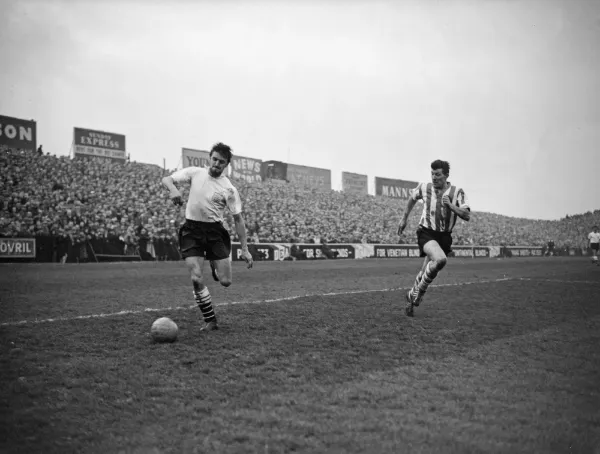
In modern football, players earning hundreds of thousands of pounds a week are part of an industry generating billions through broadcasting, sponsorships and commercial partnerships. Their salaries dominate headlines, influence transfer negotiations and shape the financial strategies of the world's biggest clubs.
· 6 min read
Estadio Centenario: The Stadium Where the World Cup Was Born
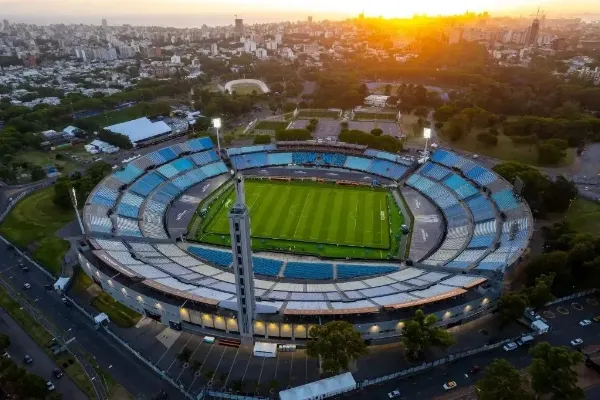
On 30 July 1930, thousands of spectators gathered inside a newly constructed stadium in Montevideo to witness an event that would eventually become one of the most important occasions in international sport. Uruguay faced Argentina in the final of the first FIFA World Cup, with the hosts recovering from a half-time deficit to win 4-2 and become football’s inaugural world champions.
· 8 min read