
Estadio Centenario: The Stadium Where the World Cup Was Born
FBTG | Stadium Stories | Episode 04
By Kiril Yurukov · · 8 min read
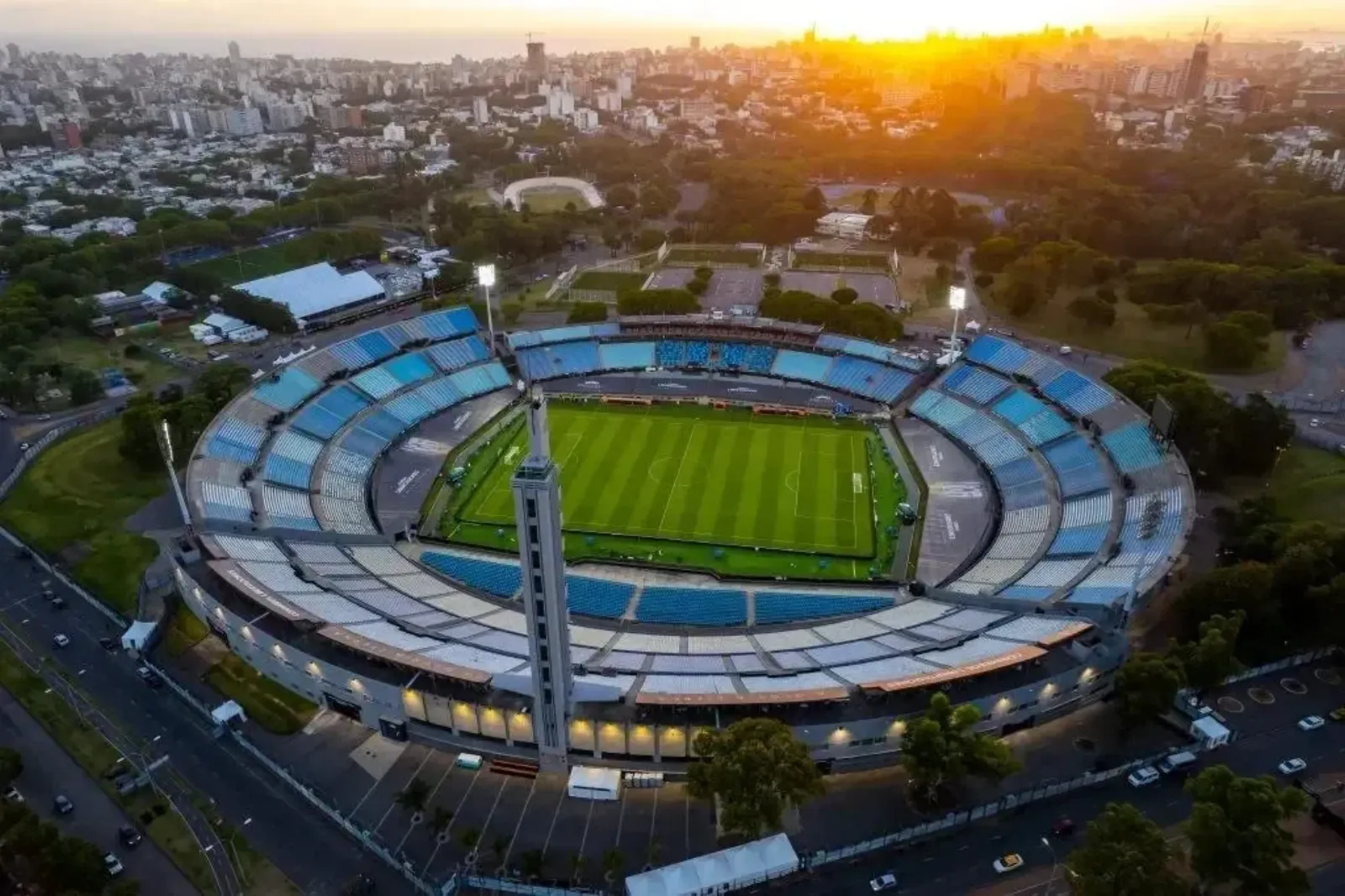
Abstract
On 30 July 1930, thousands of spectators gathered inside a newly constructed stadium in Montevideo to witness an event that would eventually become one of the most important occasions in international sport. Uruguay faced Argentina in the final of the first FIFA World Cup, with the hosts recovering from a half-time deficit to win 4-2 and become football’s inaugural world champions.
The stadium was Estadio Centenario, a monumental concrete structure built specifically for the tournament and inaugurated less than two weeks before the final. Its construction represented far more than Uruguay’s ambition to organise an international football competition, reflecting a country determined to demonstrate its modernity, national confidence and growing importance in world sport.
Nearly a century later, the Centenario remains one of football’s most historically significant venues, a place where sporting achievement, national identity and architectural ambition became inseparable.
A Small Country with an Extraordinary Football Ambition
By the late 1920s, Uruguay had already established itself as one of the strongest football nations in the world, winning Olympic gold medals in Paris in 1924 and Amsterdam in 1928. Those victories gave the country international recognition and strengthened its case to host FIFA’s first independent world championship.
Uruguay’s bid was particularly ambitious because the tournament required infrastructure capable of accommodating international teams, officials, journalists and large crowds at a time when long-distance travel was expensive and complicated.
The decision to build a new stadium was closely connected to the centenary of Uruguay’s first constitution, commemorated in July 1930, and reflected a broader national desire to present Montevideo as a modern capital.
Rather than relying entirely on existing football grounds, the country invested in a purpose-built venue that could serve as the centrepiece of the tournament and remain a permanent symbol of its sporting achievements.
The result was Estadio Centenario, a project whose scale and construction schedule were remarkable for its time.
Building a Monument Against the Clock
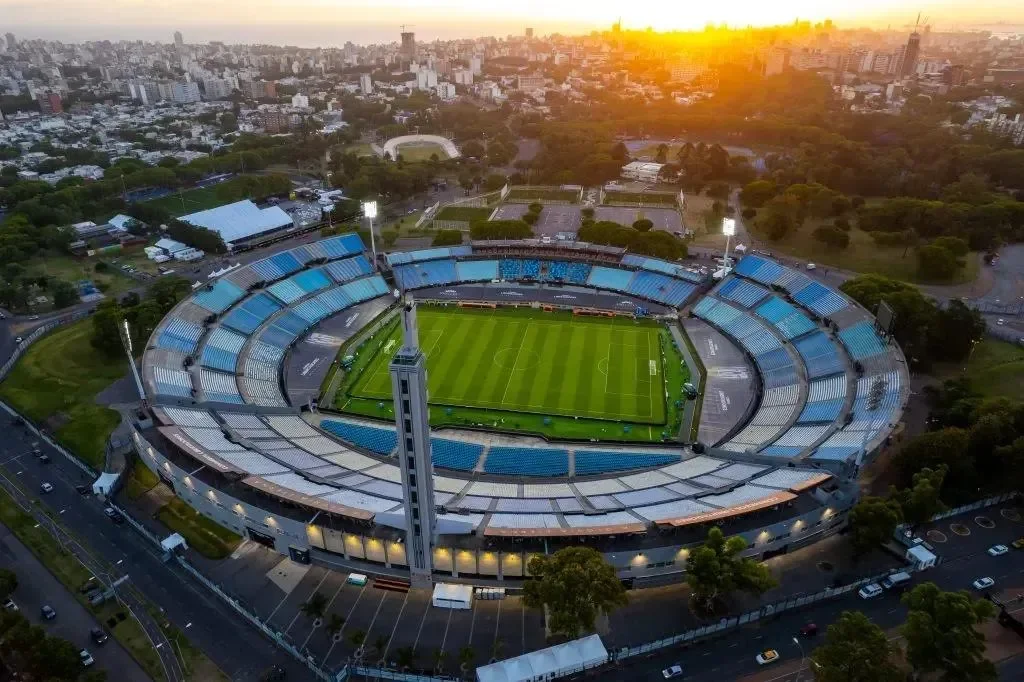
The foundation stone was laid on 21 July 1929, with Uruguayan architect Juan Antonio Scasso responsible for designing a stadium that would accommodate enormous crowds while making effective use of the natural landscape of Montevideo’s Parque Batlle.
Unlike the rectangular football grounds common in England, Scasso developed an elliptical concrete structure with four principal stands, incorporating the surrounding terrain into the design.
The pitch was positioned below street level, reducing the stadium’s external visual impact while allowing the construction to take advantage of the site’s natural slopes.
Work on the main concrete structure began in February 1930, leaving only months before the World Cup was scheduled to start. Approximately 1,100 workers operated in three shifts, with construction continuing through the night in an extraordinary effort to meet the deadline.
The scale of the project was considerable, involving the excavation of around 160,000 cubic metres of earth and the use of approximately 14,000 cubic metres of reinforced concrete.
Heavy rain delayed completion, and the stadium was not ready for the opening matches of the tournament, which had to be staged at other grounds in Montevideo.
When the Centenario finally opened on 18 July 1930, the concrete was reportedly still fresh in places, illustrating the extraordinary pressure under which the project had been completed.
Yet the stadium was ready for the most important moments of the competition.
The First World Cup Final
Estadio Centenario’s opening match took place on 18 July 1930, when Uruguay defeated Peru 1-0 through a goal from Héctor Castro.
Twelve days later, the stadium hosted the first World Cup final, bringing together Uruguay and Argentina in a contest that reflected one of South America’s most established football rivalries.
The atmosphere was intense, with supporters travelling across the Río de la Plata and enormous national expectations surrounding both teams. Uruguay opened the scoring through Pablo Dorado, but Argentina responded with goals from Carlos Peucelle and Guillermo Stábile to lead 2-1 at half-time.
The hosts recovered after the interval, with Pedro Cea, Santos Iriarte and Héctor Castro scoring to secure a 4-2 victory.

The result established Uruguay as the first FIFA World Cup champion and gave Estadio Centenario a permanent place in football history.
Unlike many stadiums whose reputations developed gradually through decades of memorable matches, the Centenario achieved international significance almost immediately. Its first major tournament had already produced one of the defining moments of the sport.
Architecture Designed Around National Identity
One of Estadio Centenario’s most distinctive features is the Torre de los Homenajes, the monumental tower rising above the Olímpica stand.
The structure was conceived as a tribute to Uruguay’s international sporting achievements and became one of Montevideo’s most recognisable architectural landmarks.
Its design evokes the rudder of a ship, a reference to the journeys undertaken by generations of immigrants who arrived in Uruguay, while its nine balconies represent the nine stripes of the national flag. The stadium’s stands also preserve the memory of Uruguay’s early international success.
The Colombes stand honours the location of the country’s 1924 Olympic triumph in France, while the Ámsterdam stand commemorates the 1928 victory in the Netherlands. The Olímpica and América stands complete a design that connects the stadium’s physical structure with the wider history of Uruguayan football.
This relationship between architecture and national identity is central to the Centenario’s significance. The stadium was not simply designed to accommodate spectators, but to communicate a story about the country that built it, its achievements and its ambitions.
A Home for Generations of Uruguayan Football
Although the Centenario was constructed for the 1930 World Cup, its importance did not end with the tournament.
Over the following decades, it became a central venue for the Uruguayan national team and domestic football, hosting major international matches, continental competitions and countless encounters involving the country’s leading clubs.
For much of its history, the stadium was closely associated with Peñarol, while Nacional also played important matches there, making it a shared stage for some of Uruguay’s fiercest football rivalries.
The ground hosted major Copa América matches, including those during Uruguay’s successful 1995 tournament, when the national team defeated Brazil on penalties in the final.
In 2021, it also staged the Copa Libertadores final between Palmeiras and Flamengo, demonstrating its continuing relevance to South American club football.
Beyond these high-profile occasions, the stadium became part of the everyday sporting culture of Montevideo, connecting generations of supporters to a venue whose historical importance extended well beyond individual clubs.
In 1983, FIFA formally recognised the Centenario as a Historic Monument of World Football, an exceptional distinction reflecting its unique place in the game’s development.
The Challenge of Preserving Football History
As football stadiums have evolved into sophisticated commercial facilities, historic venues such as Estadio Centenario have faced increasingly difficult questions about modernisation, infrastructure and long-term financial sustainability.
Contemporary stadiums are expected to offer premium hospitality, advanced broadcasting facilities, accessibility, security and commercial opportunities extending beyond matchdays.
The Centenario was designed for a different era, when the principal objective was accommodating enormous crowds rather than maximising revenue from corporate seating, retail operations and year-round entertainment.
Its historic structure therefore presents both an advantage and a challenge.
The stadium possesses an identity and international recognition that new venues cannot easily reproduce, but preserving that heritage while meeting modern requirements demands substantial investment and careful planning.
Its management structure also differs from the privately controlled stadium models associated with many major European clubs. The venue belongs to Montevideo’s municipal authorities and is administered through a commission involving the Uruguayan Football Association and the city.
That arrangement reinforces its status as a public sporting institution, but it also places stadium development within a wider conversation about public resources, football governance and the preservation of national heritage.
The central question is not whether the Centenario should modernise, but how it can do so without losing the architectural and historical characteristics that make it exceptional.
2030: Football Returns to Its Beginning
The stadium’s next major chapter is already taking shape.
The 2030 FIFA World Cup will mark one hundred years since the first tournament, with Morocco, Portugal and Spain appointed as the principal hosts and three centenary celebration matches scheduled in Uruguay, Argentina and Paraguay.
Montevideo’s Estadio Centenario has been designated to stage Uruguay’s commemorative World Cup match, bringing international football back to the place where the first final was played.

The decision gives the stadium a rare opportunity to connect two different eras of football history.
In 1930, the World Cup was a relatively modest competition involving thirteen national teams, with long journeys by ship and limited international media coverage. By 2030, it will be a global commercial event involving forty-eight teams, sophisticated broadcasting operations and audiences across virtually every continent.
The contrast illustrates how dramatically football has changed, while the choice of venue acknowledges the importance of preserving its origins.
The anniversary also increases the significance of plans to modernise the stadium, balancing the requirements of a contemporary World Cup with the responsibility of protecting a historically important structure.
For Uruguay, the Centenario remains more than a football ground. It is a physical reminder of the country’s contribution to the development of the world’s most popular sport.
Where World Football Found Its First Home
Many stadiums have hosted great finals, unforgettable rivalries and historic sporting achievements, but very few can claim to have played such a direct role in the creation of a global sporting tradition.
Estadio Centenario was built at extraordinary speed by a relatively small nation determined to organise the first World Cup, and its opening tournament immediately became part of football history.
Its architecture celebrated national achievements, its terraces witnessed Uruguay become world champions, and its continued use has connected generations of supporters to the origins of international football.
The stadium’s future will inevitably involve difficult decisions about investment, preservation and modernisation, but its historical significance is not dependent on its commercial potential or the number of seats it can offer.
In 1930, the Centenario represented a country’s ambition to show the world what it could achieve. In 2030, it will stand as a reminder of where the World Cup began.
And that is what makes Estadio Centenario different from almost every other football stadium, it was not simply built to host history. It was built for the moment that helped create it.
Related Stories
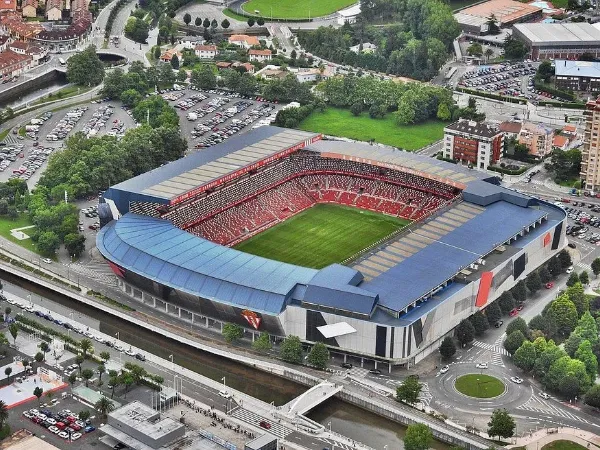
El Molinón: Spain’s Oldest Football Ground and the City That Never Left It
Long before the Santiago Bernabéu became a global football landmark and Camp Nou emerged as one of Europe’s most recognisable stadiums, football was already being played on a modest field beside a river in the northern Spanish city of Gijón.
· 6 min read
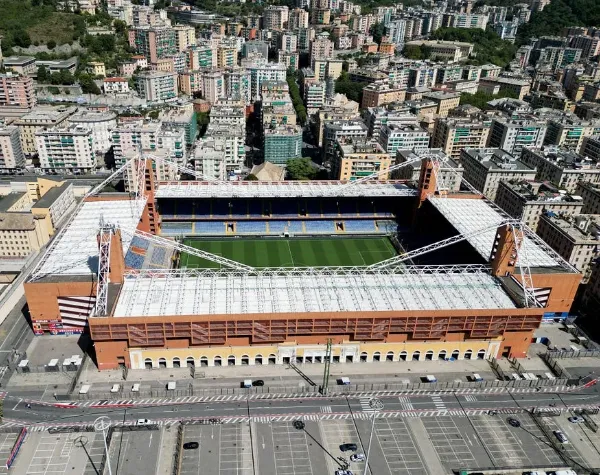
Stadio Luigi Ferraris: 115 Years, Two Rivals and One Football City
In modern football, stadiums are increasingly designed to maximise commercial revenue, attract international visitors and provide clubs with a competitive financial advantage. Yet in the heart of Genoa, surrounded by apartment buildings and the narrow streets of the Marassi district, stands a stadium whose identity has been shaped by something far more complicated than business.
· 5 min read
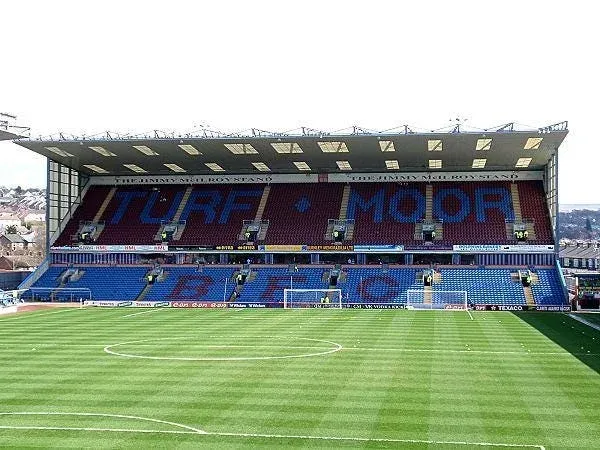
Turf Moor: 143 Years of Football, History and Working-Class Identity
In an era when football clubs are investing hundreds of millions in futuristic stadiums, luxury hospitality and commercial entertainment complexes, one of English football’s most remarkable venues continues to stand in the heart of a former industrial town in Lancashire.
· 5 min read