
Turf Moor: 143 Years of Football, History and Working-Class Identity
FBTG | Stadium Stories | Episode 01
By Kiril Yurukov · · Updated · 5 min read
Abstract
In an era when football clubs are investing hundreds of millions in futuristic stadiums, luxury hospitality and commercial entertainment complexes, one of English football’s most remarkable venues continues to stand in the heart of a former industrial town in Lancashire.
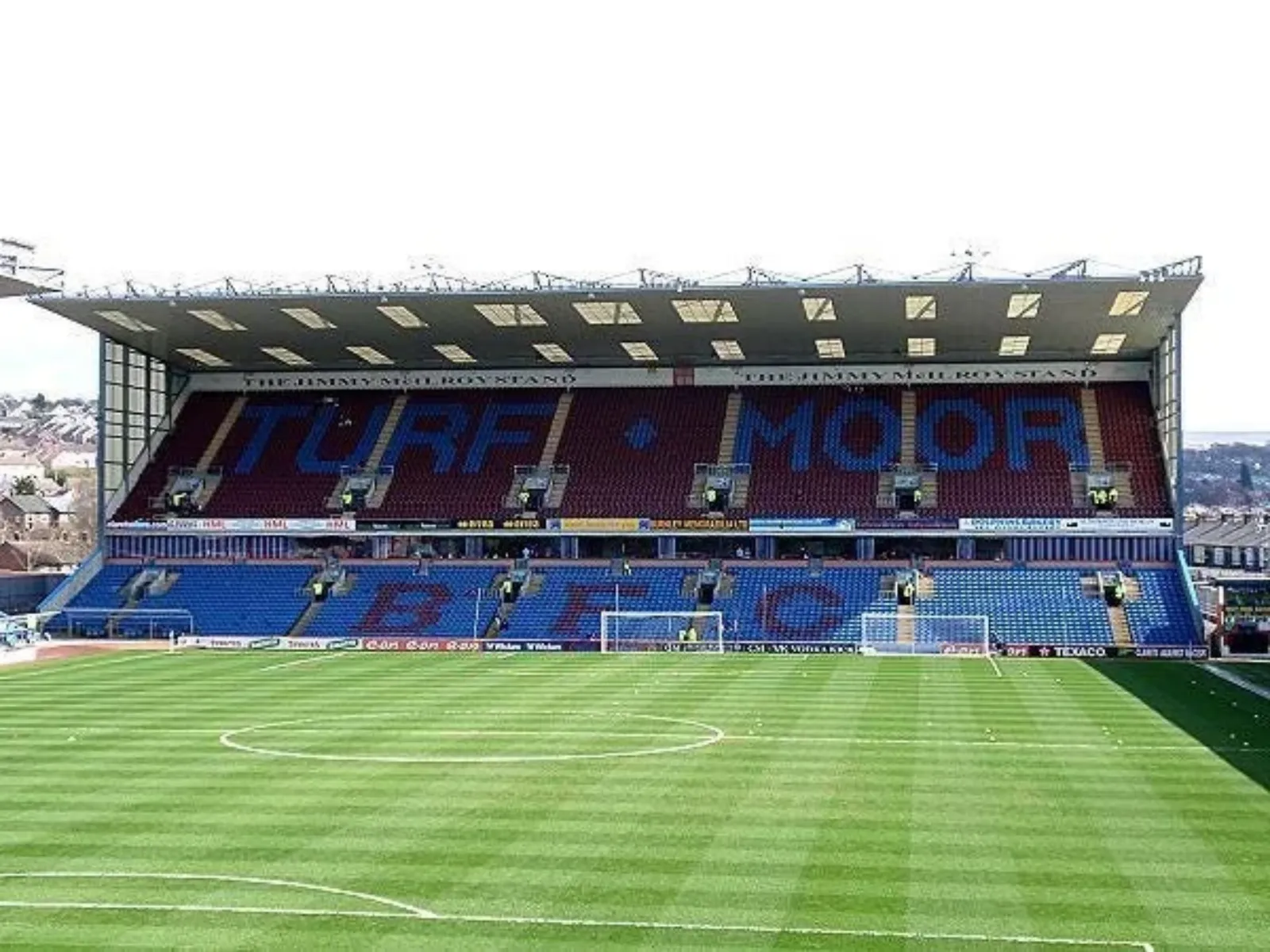
Turf Moor has been the home of Burnley Football Club since 1883, making it one of the longest continuously occupied professional football grounds in England and a remarkable survivor of the game’s transformation from a working-class pastime into a global entertainment industry.
While the Premier League has become synonymous with international investment, billionaire ownership and enormous broadcasting contracts, Turf Moor represents something that modern football increasingly struggles to preserve, a direct connection between a club, its community and the place where its history began.

From cricket fields to football history
The story of Turf Moor began long before Burnley played their first football match, as the surrounding land had already been used for cricket during the nineteenth century, with Burnley Cricket Club establishing itself at the site in 1843.
When Burnley Football Club was formed in 1882, having originally existed as a rugby club, the neighbouring cricket organisation invited the newly established football team to move from Calder Vale to a pitch beside its ground, even contributing £65 towards the costs of establishing the new home.
On 17 February 1883, Burnley played their first match at Turf Moor against Rawtenstall, losing 6-3 in conditions reportedly made almost unplayable by strong winds, an appropriately difficult beginning for a ground that would become famous for its uncompromising atmosphere.
At the time, there were no enormous grandstands, television cameras or sophisticated facilities, with spectators initially gathering around the pitch or watching from the surrounding slopes.
Yet football’s popularity grew rapidly, and by 1885 the club had constructed a wooden grandstand accommodating approximately 800 spectators, alongside standing terraces that reflected the growing appetite for the sport among Lancashire’s industrial communities.
A Royal visit and the birth of League Football
One of Turf Moor’s earliest remarkable moments came in October 1886, when Prince Albert Victor, a grandson of Queen Victoria, attended a match between Burnley and Bolton Wanderers, making the venue the first football ground to receive a visit from a member of the British Royal Family.
Two years later, Burnley became one of the twelve founding members of the Football League, placing the club at the centre of the competition that would eventually develop into England’s modern professional football structure.
Turf Moor hosted its first Football League fixture on 6 October 1888, when Burnley defeated Bolton Wanderers 4-1, with Fred Poland scoring the first league goal recorded at the ground.
Remarkably, the stadium was also experimenting with artificial lighting decades before floodlit football became commonplace, including an unsuccessful attempt in 1891 that involved sixteen creosote-fuelled lamps positioned around the pitch, leaving spectators complaining that the centre of the field remained dangerously dark.
These experiments belonged to an era when football clubs were still discovering how to turn rapidly growing public enthusiasm into organised, commercially sustainable entertainment.
When 54,775 People Filled Turf Moor
Perhaps the most extraordinary statistic in Turf Moor’s history comes from 23 February 1924, when 54,775 spectators attended an FA Cup tie between Burnley and Huddersfield Town.
That figure remains the stadium’s record attendance and is especially remarkable considering that Turf Moor today accommodates just 21,944 spectators.
The contrast illustrates how dramatically stadium design and spectator expectations have changed over the past century, with enormous standing terraces gradually giving way to seated accommodation, improved safety standards and more sophisticated matchday facilities.

The ground also witnessed some of Burnley’s greatest sporting achievements, including the club’s development into English champions in 1920-21 and again in 1959-60, when manager Harry Potts led a team from a relatively small Lancashire town to the First Division title.
That second championship remains one of English football’s most compelling historical achievements, demonstrating that a club without the financial resources or population base of the country’s largest cities could still compete at the very highest level.

The stadium that had to change
Turf Moor did not survive by remaining untouched, and its transformation over the decades reflects the wider evolution of English football.
The famous Longside terrace became one of the stadium’s defining features during the twentieth century, while permanent floodlights arrived in 1957 and further redevelopment gradually changed the appearance and functionality of the ground.
The most significant modern transformation came during the 1990s, when the consequences of the Hillsborough disaster and the recommendations of the Taylor Report accelerated the transition towards all-seater stadiums in English football’s top divisions.
Burnley invested approximately £6.5 million in redeveloping Turf Moor, replacing historic standing areas with new stands and creating a modern seated venue capable of meeting changing expectations around safety, comfort and commercial operations.
Although the redevelopment fundamentally altered the stadium’s appearance, it preserved something that cannot easily be recreated through architectural investment: more than a century of uninterrupted football history on the same site.
A stadium that belongs to its town
The relationship between Burnley and Turf Moor is particularly striking when considered against the economic transformation of modern English football.
Burnley developed as an industrial town shaped by textile manufacturing, engineering and working-class communities, while football became one of the most important expressions of local identity during a period when clubs were closely connected to the industries and neighbourhoods surrounding them.
Unlike stadiums constructed on large suburban sites or within ambitious regeneration districts, Turf Moor remains deeply embedded in the town’s urban landscape, surrounded by ordinary streets, houses and the cricket ground that played a crucial role in its foundation.
Its relatively modest capacity also tells an important story about the economic realities facing clubs from smaller communities, which must balance the commercial benefits of expansion against the size of their local market, the cost of investment and the importance of maintaining an atmosphere that makes their stadium distinctive.
For Burnley, the stadium is not simply a venue capable of generating ticketing, hospitality and sponsorship revenue, but a physical connection between generations of supporters who have followed the club through championships, relegations, financial difficulties and remarkable recoveries.
More than a football ground
The modern stadium industry increasingly measures success through premium seating, corporate hospitality, naming rights, retail opportunities and the ability to generate revenue beyond matchdays.
Those commercial priorities are essential to the financial development of professional football, particularly in an environment where clubs compete against organisations with significantly greater resources.
Yet Turf Moor offers a reminder that the value of a stadium cannot be measured exclusively through its commercial potential, because history, identity and the emotional attachment of supporters are assets that cannot simply be purchased or reproduced.
Since 1883, Burnley has changed managers, owners, divisions, players and generations of supporters, while English football itself has evolved from an industrial-era competition into one of the world’s most valuable sporting industries.
Through all those transformations, Turf Moor has remained the club’s home. And perhaps that is its greatest achievement, not that it has survived for more than 140 years, but that it continues to give modern football something increasingly rare, a genuine sense of belonging.
Related Stories
Estadio Centenario: The Stadium Where the World Cup Was Born
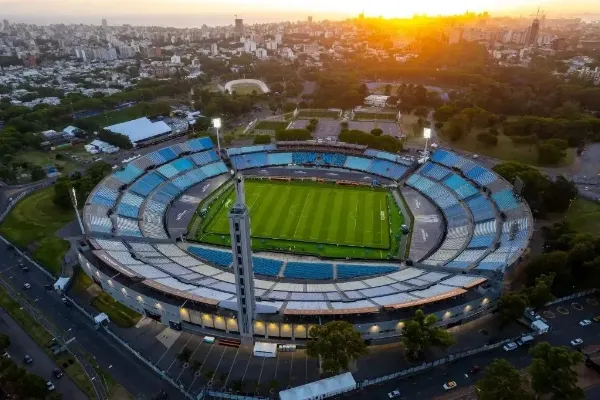
On 30 July 1930, thousands of spectators gathered inside a newly constructed stadium in Montevideo to witness an event that would eventually become one of the most important occasions in international sport. Uruguay faced Argentina in the final of the first FIFA World Cup, with the hosts recovering from a half-time deficit to win 4-2 and become football’s inaugural world champions.
· 8 min read
El Molinón: Spain’s Oldest Football Ground and the City That Never Left It
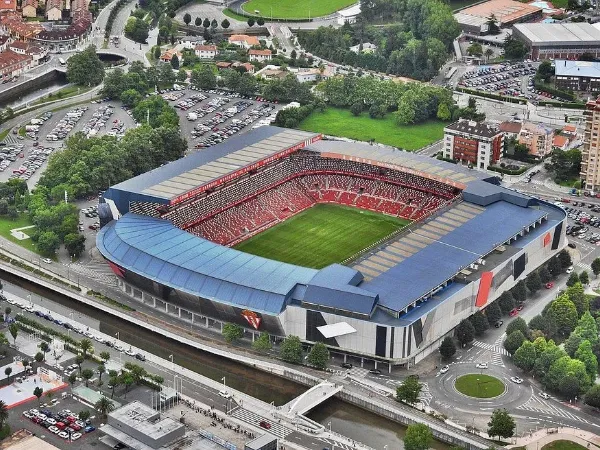
Long before the Santiago Bernabéu became a global football landmark and Camp Nou emerged as one of Europe’s most recognisable stadiums, football was already being played on a modest field beside a river in the northern Spanish city of Gijón.
· 6 min read
Stadio Luigi Ferraris: 115 Years, Two Rivals and One Football City
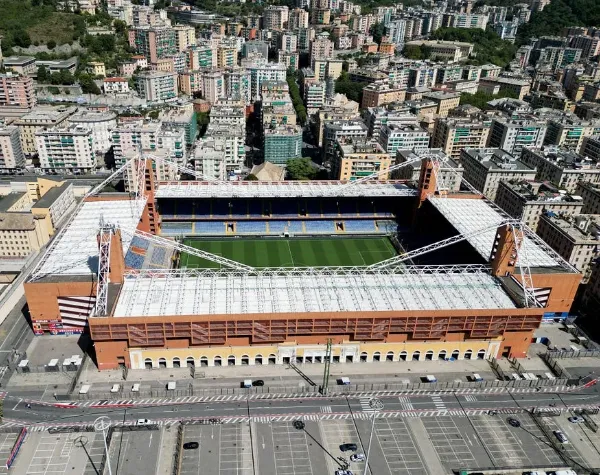
In modern football, stadiums are increasingly designed to maximise commercial revenue, attract international visitors and provide clubs with a competitive financial advantage. Yet in the heart of Genoa, surrounded by apartment buildings and the narrow streets of the Marassi district, stands a stadium whose identity has been shaped by something far more complicated than business.
· 5 min read